Evidence ledger
What is confirmed
- A Ukrainian missile strike on Russia’s Belgorod border region on 17 August 2026 killed six people and wounded four (including a child).[1]
What remains disputed or unverified
No disputed central claims are recorded for this story.
Impact and casualties
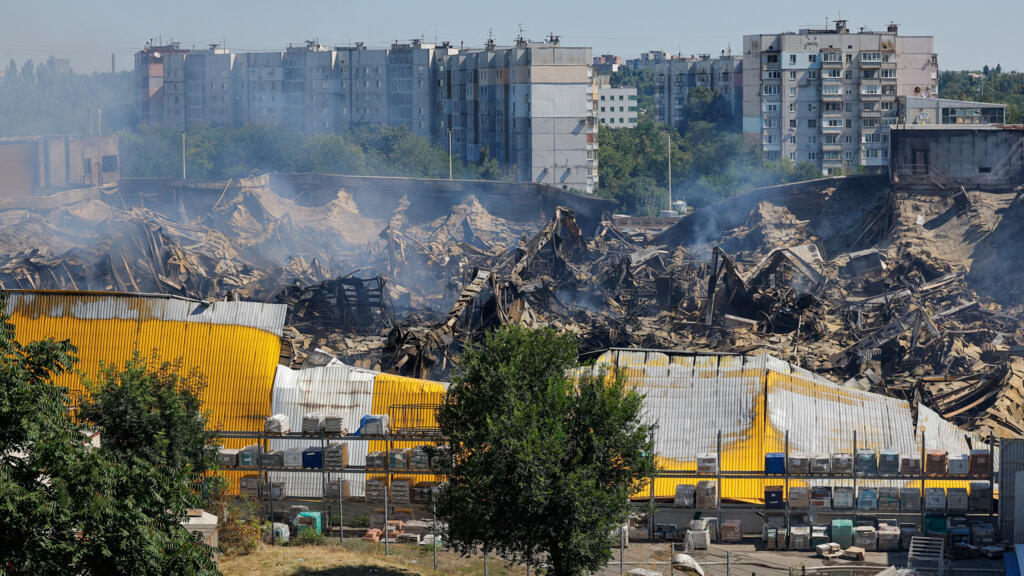
A Ukrainian missile strike killed six people and wounded four others, including a child, in Russia’s Belgorod border region, the acting governor said on Monday. The governor did not provide details on the exact locations of the strike or the identities of the victims. He called the incident a war crime and demanded an international investigation. Survivors reported hearing a large explosion followed by shrapnel injuries and displacement of nearby buildings. The strike added to the tally of civilian casualties that have increased in recent weeks as both sides intensified attacks on civilian and infrastructure targets.[1]
Russian response
Russian authorities announced that they would pursue accountability for the strike, citing the need for deterrence against continuing attacks. Moscow reportedly increased air patrols over the Belgorod region and conducted counter‑measures against any further Ukrainian incursions. While the Russian side did not name specific retaliatory actions, officials reiterated that Kyiv’s aggression would not be tolerated. In the broader context, Russian forces engaged in shelling of a Ukrainian port infrastructure in the Izmail district of Odesa overnight, underscoring a tit-for-tat pattern in the conflict.[1]
Parallel attacks in Ukraine
The same night that the Belgorod strike unfolded, Russian forces reportedly struck port infrastructure in Ukraine’s Izmail district of the Odesa region. Ukrainian officials said that the attack targeted warehouses and logistical hubs used by the Russian army. The port drones and missile systems used in that operation were said to be part of allied support, which Russia denied official involvement. These cross‑border strikes highlight how the hostilities have expanded beyond traditional battlefields, expanding into civilian infrastructure on both sides.[1]
Version and update history
- Version 1 · — Initial source-grounded generation
No published comments yet. Be the first to add useful context.