Evidence ledger
What is confirmed
What remains disputed or unverified
No disputed central claims are recorded for this story.
Opening Day
The United States and Saudi Arabia signed a civil nuclear agreement on July 23, marking a milestone in the kingdom’s shift toward peaceful nuclear development. The pact was signed by U.S. Energy Secretary Chris Wright and Saudi Energy Minister Prince Abdulaziz bin Salman in Washington after over a year of negotiations.[1][2]
Agreement Details
The accord mandates that American companies assist Saudi Arabia in building a civilian nuclear program, explicitly excluding uranium enrichment. While U.S. and Saudi officials have avoided committing the Kingdom to IAEA inspections, a bilateral safeguards agreement is slated to ensure the nuclear material remains for peaceful uses only.[1]
Trump’s Conditional Link to Israel
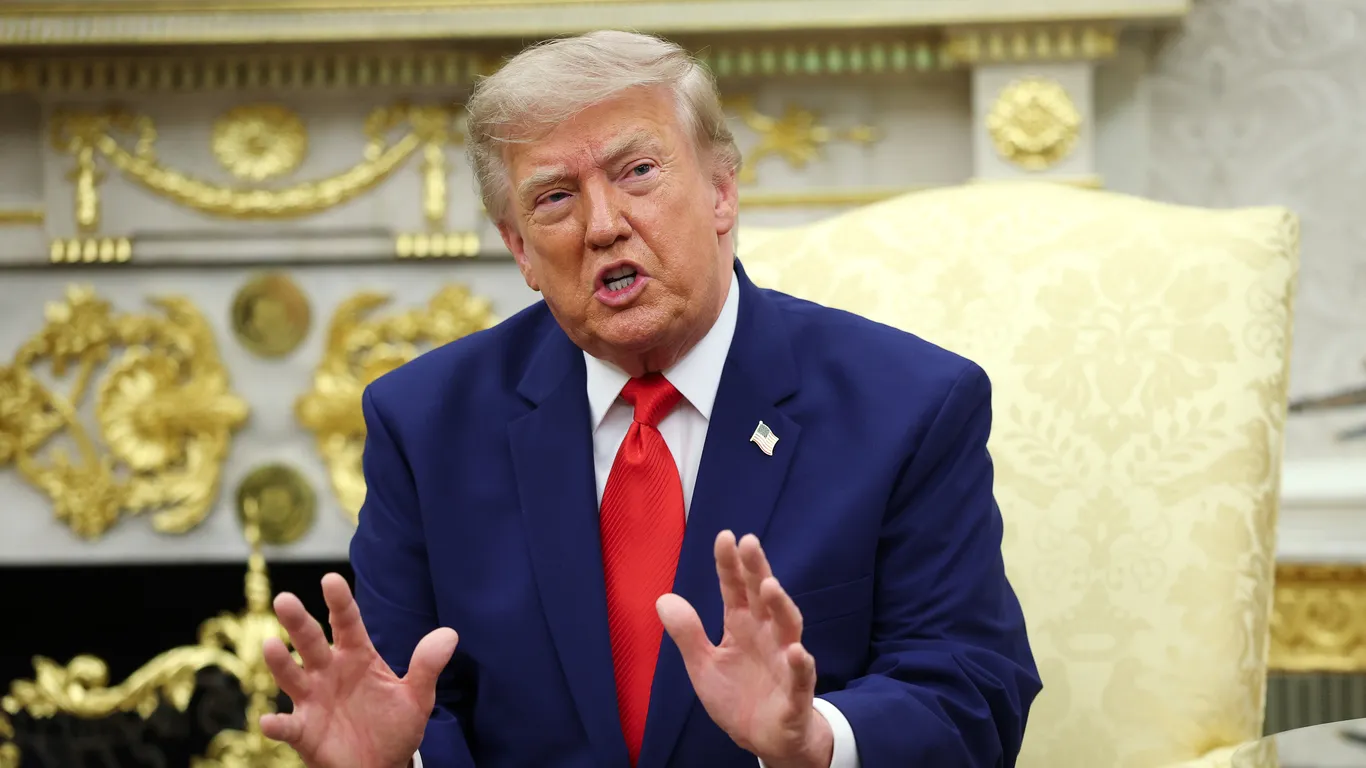
President Donald Trump, on Truth Social and later in a financial interview, asserted that the civil nuclear deal would be contingent on Saudi Arabia normalizing ties with Israel. He framed the agreement as a “field condition” for the kingdom’s cooperation, echoing criticism that Washington sacrificed leverage to push a broader Arab‑Israeli peace initiative.[1][2]
Proliferation Safeguards and Future Studies
The agreement includes a joint U.S.–Saudi study on future uranium enrichment, though it stops short of obligating the King’s participation in IAEA snap‑inspections. The Energy Department has stressed that the safeguards arrangement adheres to the “highest standards of nuclear safety and nonproliferation,” reassuring critics that the pact does not open a path to weapons‑grade material.[1]
Broader Geopolitical Context
Negotiations began under President Joe Biden with a broader defense treaty and a separate Israel‑Saudi peace stipulation. While the final civil nuclear pact was signed independently, its wording does not formally link it to Israel peace terms. Saudi officials maintain that Israel must agree to “an irreversible and time‑bound path” toward a Palestinian state before any normalization takes place, underscoring ongoing complexities in the region’s diplomatic calculus.[1][2]
Version and update history
- Version 1 · — Initial source-grounded generation
No published comments yet. Be the first to add useful context.