Evidence ledger
What is confirmed
What remains disputed or unverified
No disputed central claims are recorded for this story.
Approval of the Pact
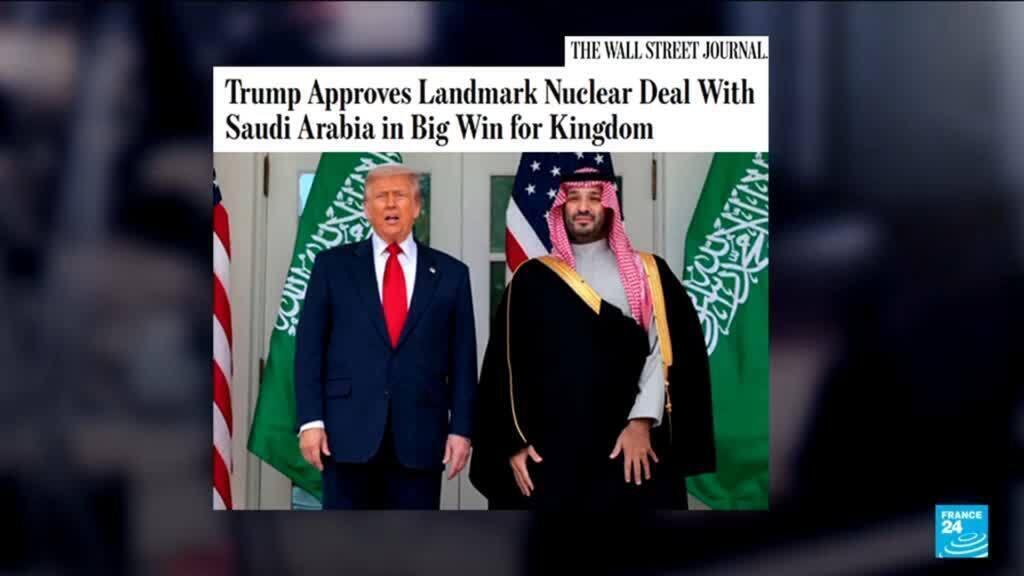
U.S. President Donald Trump has announced that the administration has approved a 30‑year civil nuclear agreement with Saudi Arabia. The signing will allow Riyadh to receive American reactor technology and expertise, setting the stage for future U.S.‑led construction of Saudi nuclear facilities.[1][2]
Terms and Oversight
The deal includes provisions for a two‑year study on Saudi viability for domestic uranium enrichment. If approved, U.S. firms would develop and operate a ‘black‑box’ enrichment plant, keeping sensitive technology off Saudi hands. In the event of U.S. disagreement, Saudi Arabia would be barred from pursuing enrichment for ten years. The agreement bypasses the International Atomic Energy Agency’s enhanced‑safeguards protocol, placing monitoring duties on a private U.S.–Saudi joint framework.[1]
Economic and Political Implications
If enacted, the pact could generate tens of billions of dollars in revenue for American companies involved in building Saudi nuclear infrastructure. The presidential signature will advance the proposal to Congress, where a two‑thirds vote would be needed to override a potential presidential veto, thereby exposing the deal to intense partisan scrutiny.[1][2]
Proliferation Concerns
Critics argue the accord hides a pathway for Riyadh to acquire or develop weapons‑grade nuclear material, potentially igniting a regional arms race with Iran. The deal’s omission of a firm IAEA inspection regime raises alarm among U.S. lawmakers who see the pact as a shift toward opening the Arab Kingdom to nuclear weapons capabilities while the U.S. continues to pressure Iran to halt its own nuclear program.[1]
Legislative Opposition and Future Outlook
U.S. senators have voiced concerns over the potential for Saudi enrichment and reprocessing, highlighting the need for tighter safeguards. Because a two‑thirds majority would be required to override a presidential veto, the deal faces a roll‑call with no clear path to passage, leaving the ultimate fate of the agreement up to the Congress’s next session.[1][2]
Version and update history
- Version 1 · — Initial source-grounded generation
No published comments yet. Be the first to add useful context.