Evidence ledger
What is confirmed
What remains disputed or unverified
No disputed central claims are recorded for this story.
Announcement
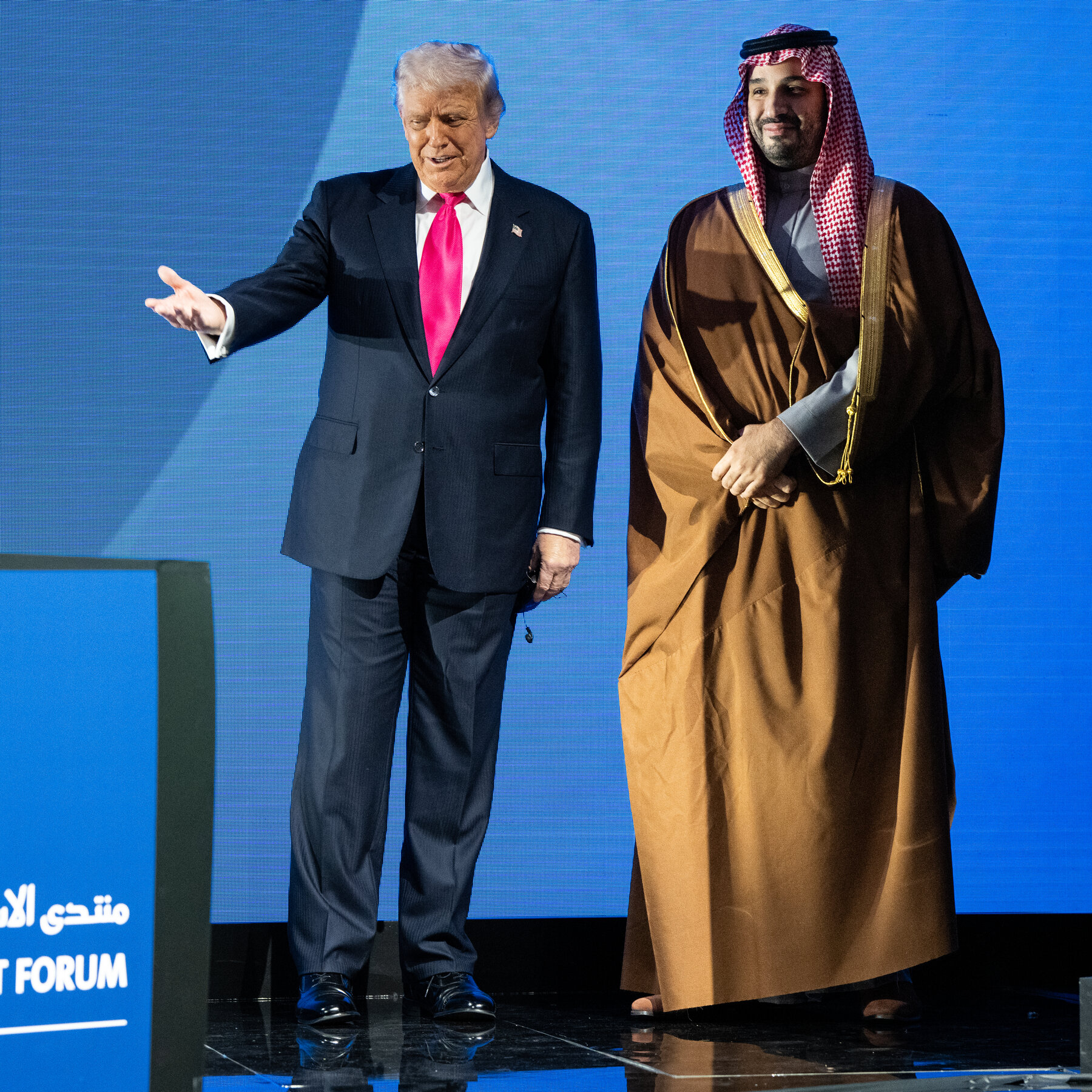
The United States is set to announce a civilian nuclear agreement with Saudi Arabia as part of President Trump's national security agenda, according to a report published today. The deal, expected to formalize a 123 Agreement under U.S. nuclear safeguards law, would enable Saudi Arabia to expand its civilian nuclear infrastructure. This prospective agreement has been framed as a strategic partnership aimed at strengthening ties between Washington and Riyadh while ensuring the alliance remains compliant with non‑proliferation norms.[1]
The 123 Agreement
Under U.S. law, a 123 Agreement authorizes a country to develop a civilian nuclear program in exchange for a commitment by the United States to provide or certify fuels, technology, and safeguards. The framework is designed to prevent weapons proliferative pathways by strengthening oversight and limiting the scope of nuclear materials that could be diverted for weapon use. The anticipated agreement with Saudi Arabia would place the kingdom in line with other U.S. partners such as Canada, Russia, and India, which all operate within 123 frameworks to regulate nuclear trade and technology.[1]
Political Context
Washington has long balanced national security concerns with diplomatic engagement in the Middle East. Saudi Arabia’s growing energy transition goals have spurred interest in nuclear options for diversification, while regional rivalries have kept U.S. leaders cautious about a new proliferation risk in the Gulf. The potential appointment of a 123 Agreement could be interpreted domestically as a means of extending American influence abroad, whereas for Riyadh, it offers a secure corridor to develop domestic nuclear capabilities under U.S. oversight.[1]
Regional Implications
Should the agreement materialize, it may alter the security calculus of neighboring states and affect broader non‑proliferation regimes. Analysts suggest that Saudi Arabia’s alignment with U.S. safeguards could deter Tehran from accelerating its own nuclear ambitions, while also prompting neighboring Gulf Cooperation Council members to pursue similar pathways. The U.S. will likely emphasize that any expansion of Saudi nuclear cooperation is strictly civilian and under stringent IAEA verification, aiming to reinforce global non‑proliferation norms.[1]
Version and update history
- Version 1 · — Initial source-grounded generation
No published comments yet. Be the first to add useful context.