Evidence ledger
What is confirmed
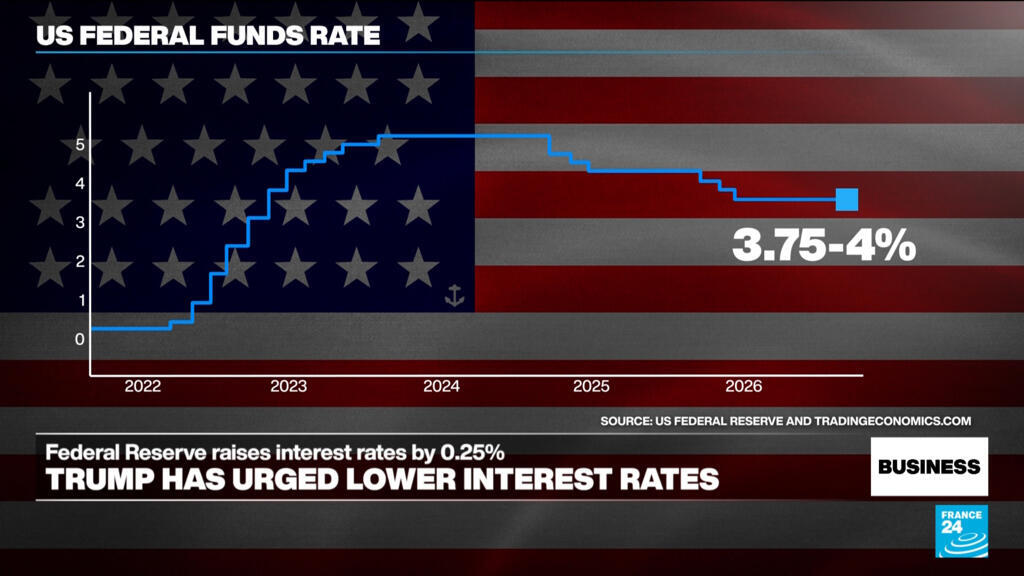
- The US Federal Reserve raised its key interest rates for the first time in three years.[1]
- The rate increase was driven by efforts to combat high inflation.[1]
- Chairman Kevin Warsh led the Federal Reserve during this decision.[1]
- President Donald Trump had previously called on the Federal Reserve to cut interest rates.[1]
- The policy decision heightened tensions between the Fed and the White House.[1]
What remains disputed or unverified
No disputed central claims are recorded for this story.
Rate Hike Marks First Increase in Three Years
The Federal Reserve's decision to raise its benchmark interest rate represents a notable departure from recent policy inertia. According to the report, the central bank increased rates specifically to address elevated inflation levels that have persisted throughout the year. This move comes after a period where the Fed maintained rates unchanged despite mounting pressure from markets and consumers alike.[1]
Chairman Kevin Warsh oversaw the meeting where the rate decision was finalized. The policy shift reflects the Fed's ongoing effort to restore price stability in an economy grappling with supply chain disruptions and labor market dynamics. While the move aims to cool demand and curb inflation, it also signals a willingness to adjust monetary conditions when necessary.[1]
Political Tension with the White House
The rate increase has intensified existing friction between the Federal Reserve and the Trump administration. President Donald Trump had previously called on the central bank to cut interest rates multiple times, arguing that higher borrowing costs were stifling growth and harming American families. His stance created a direct conflict with the Fed's current trajectory.[1]
Analysts note that the confrontation stems from fundamentally different views on monetary policy. While the Fed prioritizes controlling inflation through tighter credit conditions, the President advocates for more accommodative policies to support economic expansion. This ideological divide has become increasingly pronounced ahead of upcoming elections.[1]
Broader Economic Implications
The rate hike carries significant ripple effects across financial markets. Higher borrowing costs typically slow investment and consumer spending, which can help temper inflation but may also dampen economic activity. Markets reacted to the announcement with mixed signals, reflecting uncertainty about the pace of subsequent moves.[1]
Fiscal policymakers are closely watching how this decision interacts with broader economic indicators. The timing of the rate change coincides with seasonal factors that could influence inflation readings, adding complexity to the Fed's calibration challenge.[1]
Version and update history
- Version 1 · — Initial source-grounded generation
No published comments yet. Be the first to add useful context.