Evidence ledger
What is confirmed
What remains disputed or unverified
No disputed central claims are recorded for this story.
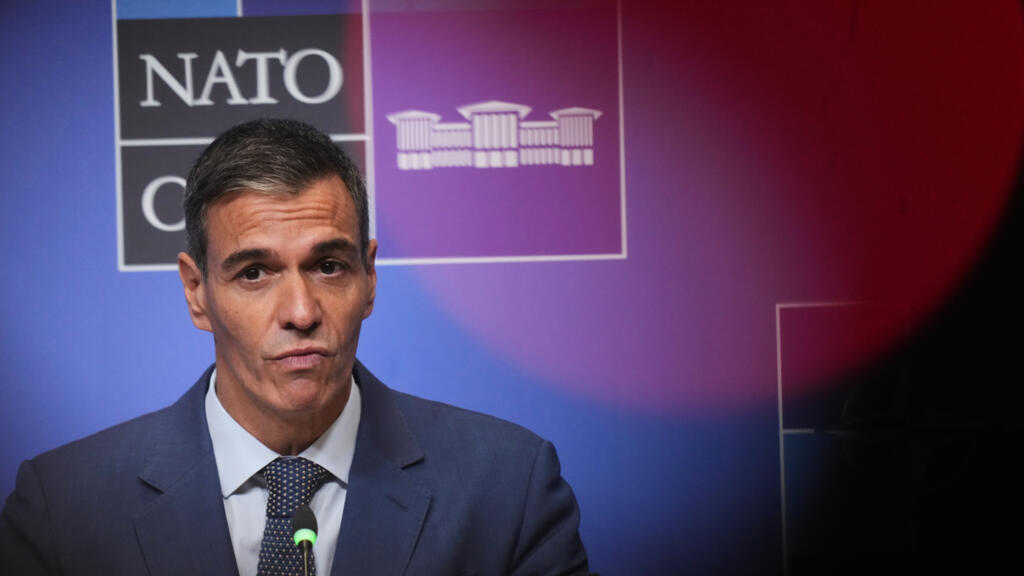
On 31 August 2026, Spanish Prime Minister Pedro Sánchez said that social‑network groups linked to Israel and Russia had spread disinformation about the July migrant crisis in the Spanish exclave of Ceuta. The Prime Minister warned that the campaign, he claimed, had also been amplified by far‑right networks and was driven in part by Madrid’s opposition to the wars in Ukraine and the Middle East.[1]
Migrant influx in Ceuta
The crisis in Ceuta began in July when a surge of migrants from North Africa, primarily from Morocco, sought to cross the narrow land bridge onto Spanish territory. The surge prompted heightened security measures and drew international attention to the region’s capacity to manage large‑scale migration.[1]
Details of the alleged campaign
Sánchez characterised the alleged disinformation as a coordinated effort using social‑network groups that he described as “linked to Israel and Russia.” He cited the rapid spread of false narratives on platforms used by users in both countries, claiming that this activity aimed to distort public perception of the humanitarian situation in Ceuta.[1]
Political motives and context
The Prime Minister suggested that the campaign was partly motivated by Spain’s political stance against the conflicts in Ukraine and the Middle East. By framing the migrant crisis as a propaganda tool, he implied that opponents were using it to undermine Spain’s foreign policy positions.[1]
Role of far‑right networks
Sánchez said far‑right networks amplified the false stories, providing additional reach and influence within Spanish political circles. He did not name specific groups, but indicated that these networks often mobilise around polarising narratives.[1]
Version and update history
- Version 1 · — Initial source-grounded generation
No published comments yet. Be the first to add useful context.