Evidence ledger
What is confirmed
- Russia’s parliamentary election was held on September 18, 2026.[1]
- The election featured no meaningful competition, with anti‑war opposition parties excluded from the ballot.[1]
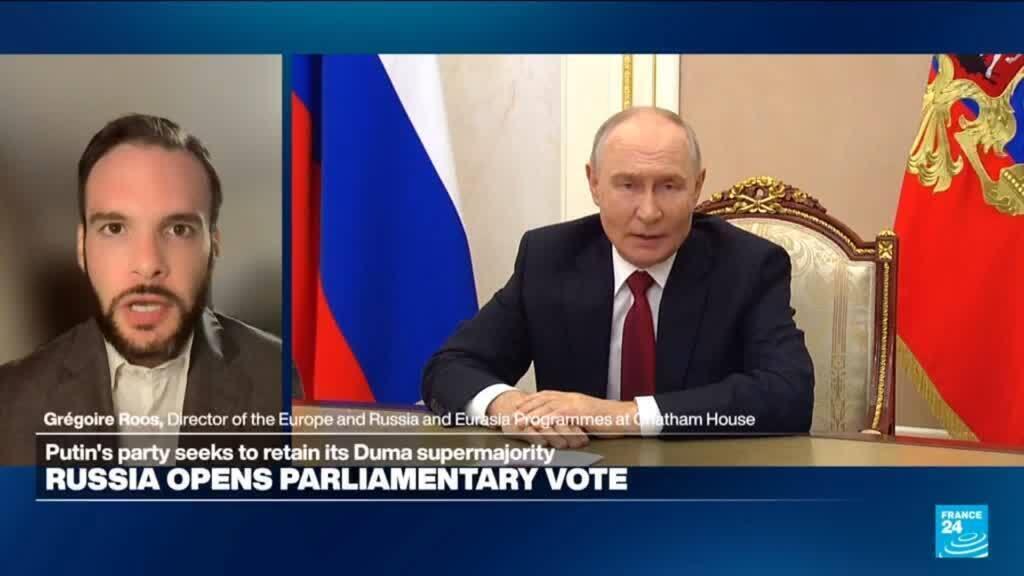
- Gregoire Roos of Chatham House says analysts must now focus on turnout, voting timing, and the performance of the remaining parties for clues about the political system.[1]
- The Kremlin is framing citizen participation in the election as evidence of national unity.[1]
What remains disputed or unverified
No disputed central claims are recorded for this story.
Russia’s parliamentary election took place on Sept. 18, 2026, but observers note that the contest offered no real choice, as anti‑war opposition groups were barred from running.[1]
Turnout and timing become proxy measures
With competition eliminated, Gregoire Roos, director of Chatham House’s Europe and Russia programmes, argues that analysts must turn to turnout rates, the timing of voting and how the surviving parties perform to infer any public sentiment toward President Vladimir Putin’s leadership and the war.[1]
Kremlin frames participation as unity
The Russian government is portraying the act of voting itself as a symbol of national cohesion, a narrative meant to bolster the image of a unified populace behind the state’s policies despite the absence of genuine electoral competition.[1]
Version and update history
- Version 1 · — Initial source-grounded generation
No published comments yet. Be the first to add useful context.