Evidence ledger
What is confirmed
What remains disputed or unverified
No disputed central claims are recorded for this story.
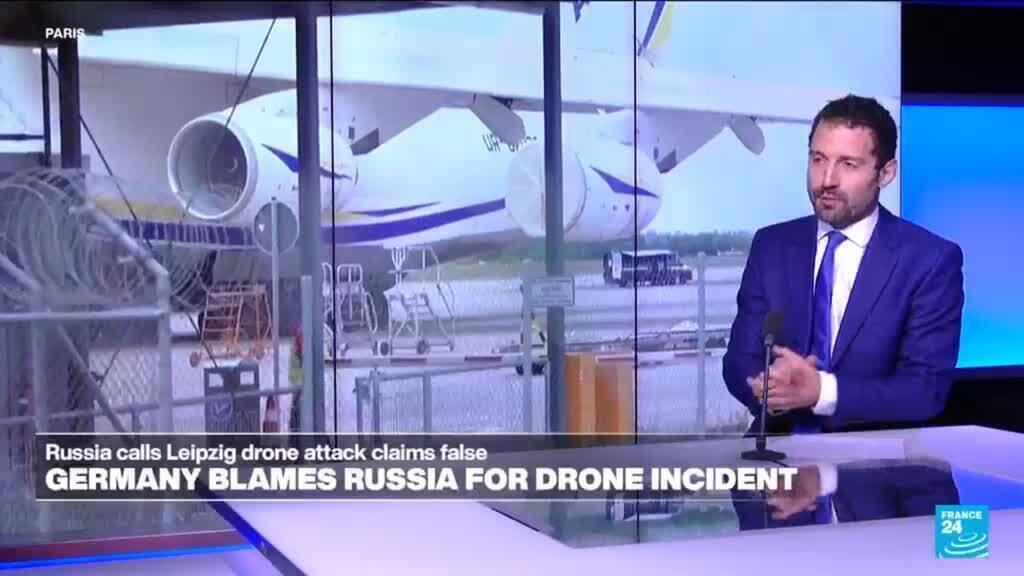
An alleged drone attack at Leipzig/Halle Airport in August triggered diplomatic tensions across Europe, with the European Union and several member states summoning Russian embassy officials.[1]
Germany confirmed that the incident was carried out by Russia and announced sanctions that include the closure of a Russian consulate and a Russian cultural centre in Berlin.[1]
According to France 24 correspondent Andrew Hilliar, Leipzig’s strategic importance as a major logistics hub may explain why the site was targeted, and he outlines potential measures the EU and Germany could adopt to prevent recurrence.[1]
EU Diplomatic Response
Following the incident, the European Union elevated the matter to its top diplomatic corps, calling for a collective response and increased security protocols across member states.[1]
German Sanctions and Measures
Germany’s decision to close a consulate and a cultural centre reflects a broader strategy to curtail Russian diplomatic influence in the region in response to the alleged attack.[1]
Analysis of Target Choice
Andrew Hilliar suggests that Leipzig’s role as a central transport node could make it an attractive target for actors seeking to disrupt economic activity, and he highlights the importance of coordinated security efforts to mitigate future threats.[1]
Version and update history
- Version 1 · — Initial source-grounded generation
No published comments yet. Be the first to add useful context.