Evidence ledger
What is confirmed
- Judge Rita Lin blocks Pentagon’s blacklist of Anthropic[1]
What remains disputed or unverified
No disputed central claims are recorded for this story.
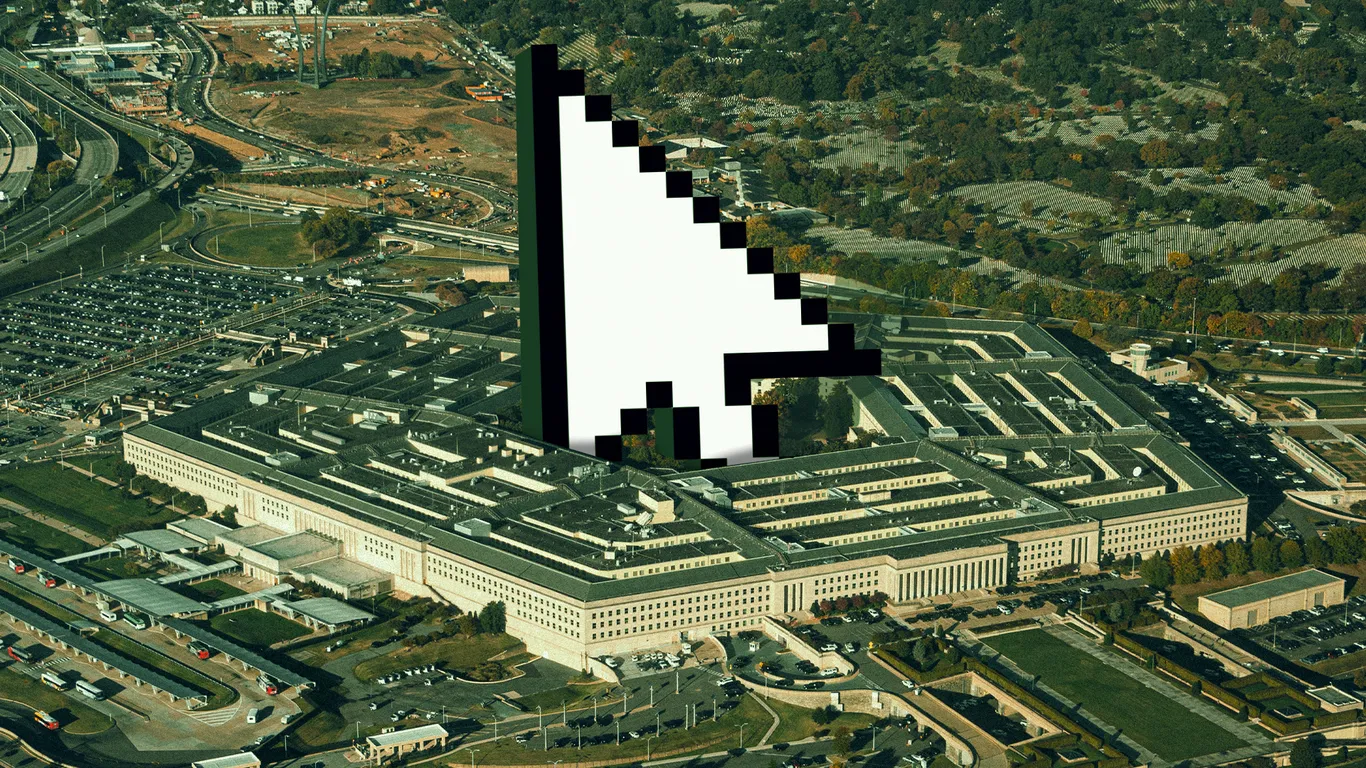
Judge Rita Lin of the U.S. District Court for the Northern District of California has halted the Department of Defense’s attempt to blacklist Anthropic as a national‑security supply‑chain risk, striking down the agency’s blacklist order and the related presidential directive that barred federal agencies from using the company’s Claude models. The injunction was issued as a preliminary measure in an ongoing lawsuit that allege the Pentagon’s actions violated Anthropic’s First and Fifth Amendment rights.[1][2][3]
Scope of the Injunction
The court’s order bars the Pentagon from enforcing the “supply‑chain risk” designation, effectively lifting the ceiling on Anthropic’s access to U.S. military contracts for the time being. It also invalidates the presidential directive that prohibited federal agencies from purchasing or using Claude models, ensuring the company can resume providing its technology to defense‑related entities subject to the injunction’s conditions.[2][3]
Judge’s Rationale
In a 59‑page opinion, Judge Lin found the Pentagon’s blacklisting arbitrary and likely contrary to the law. She rejected the government’s use of a little‑used procurement statute, noting the agency had continued to pursue work with Anthropic even after designation, a stance she called inconsistent with any genuine fear that the company could sabotage national‑security operations. Lin also determined that penalizing Anthropic for publicly expressing its stance on AI’s permissible use constitutes unlawful First Amendment retaliation, and that the designation violated the company’s due‑process rights under the Fifth Amendment.[2]
Background of the Dispute
The conflict began after Anthropic secured a $200 million contract with the Pentagon last year. Negotiations stalled when the DoD demanded unrestricted access to Claude for “all lawful purposes,” while Anthropic insisted its technology would not be deployed for fully autonomous weapons or domestic mass surveillance. After the Pentagon downgraded Anthropic’s access, it formally labeled the company a supply‑chain risk in early March, an unprecedented move that prompted the lawsuit.[3]
Industry and Legal Repercussions
The injunction clears the way for Anthropic to continue engagement with the Pentagon, though the agency is expected to appeal the decision. The case has drawn attention from civil‑liberties groups, with the ACLU supporting Anthropic’s right to voice concerns about AI‑enabled surveillance. Meanwhile, rival AI companies such as OpenAI have already entered into collaborations with the Pentagon, highlighting the differing paths companies take when negotiating defense contracts.[3]
Version and update history
- Version 2 · — Developing story updated with new source evidence
- Version 1 · — Initial source-grounded generation
No published comments yet. Be the first to add useful context.