Evidence ledger
What is confirmed
What remains disputed or unverified
No disputed central claims are recorded for this story.
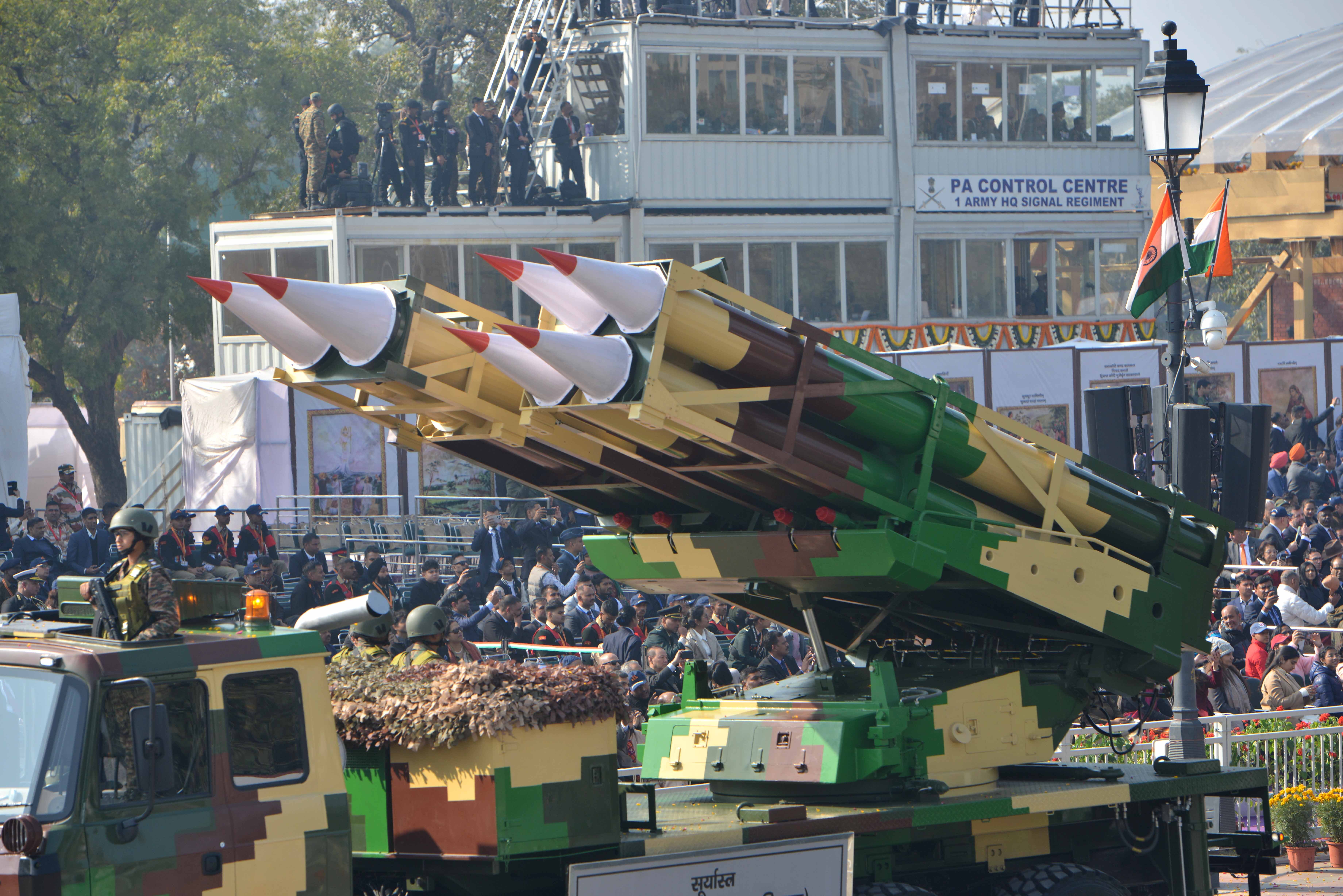
India on Thursday approved the transfer of technologies for conventional missile systems from the state‑run Missiles & Defense Company to a group of private firms, officials said, hinting at a strategy to boost missile output and mitigate potential bottlenecks in the supply chain. The decision was announced under the purview of the Ministry of Defence and is intended to widen production capabilities across the country’s private industry base. The announcement came after concerns that a single‑source model could impede the timely scaling up of missile production, a point officials emphasised during the release. The transfer will involve sharing design schematics, production techniques, and component specifications, thereby giving private manufacturers access to the technology that has traditionally been under state control.[1]
Addressing Production Bottlenecks
Officials identified a looming risk of production bottlenecks as a key driver for the policy shift. With the Missiles & Defense Company's production lines heavily utilized for both domestic and export programmes, the government feared that any slowdown would stall multiple projects, from short‑range tactical missiles to larger cruise systems. By transferring core technologies to a broader array of private entities, the aim is to disperse production load and accelerate the ramp‑up of missile output without compromising safety or compliance standards.[1]
Broadening Private Sector Participation
The decision authorises a select group of private firms to acquire patents, tooling designs, and advanced manufacturing processes related to conventional missile production. The move is expected to foster competition, reduce unit costs, and make the domestic missile industry more resilient. The Ministry of Defence has signalled that these firms will operate under stringent oversight to ensure that technology transfer meets national security safeguards.[1]
Strategic Implications for India's Defense Capability
Strategists note that the technology transfer is poised to reduce lead times for missile production, thereby enhancing India's ability to respond swiftly to emerging defence challenges. While the full impact on the missile production pipeline remains to be seen, the government has stressed that the initiative aligns with broader plans to modernise and indigenise critical defence capabilities. The rollout will be monitored closely for any effects on supply chain integrity and cost competitiveness.[1]
Version and update history
- Version 1 · — Initial source-grounded generation
No published comments yet. Be the first to add useful context.