Evidence ledger
What is confirmed
- One year is marked since a Gen Z‑led violent revolt in Nepal forced the prime minister to resign.[1]
What remains disputed or unverified
No disputed central claims are recorded for this story.
Background of the Revolt
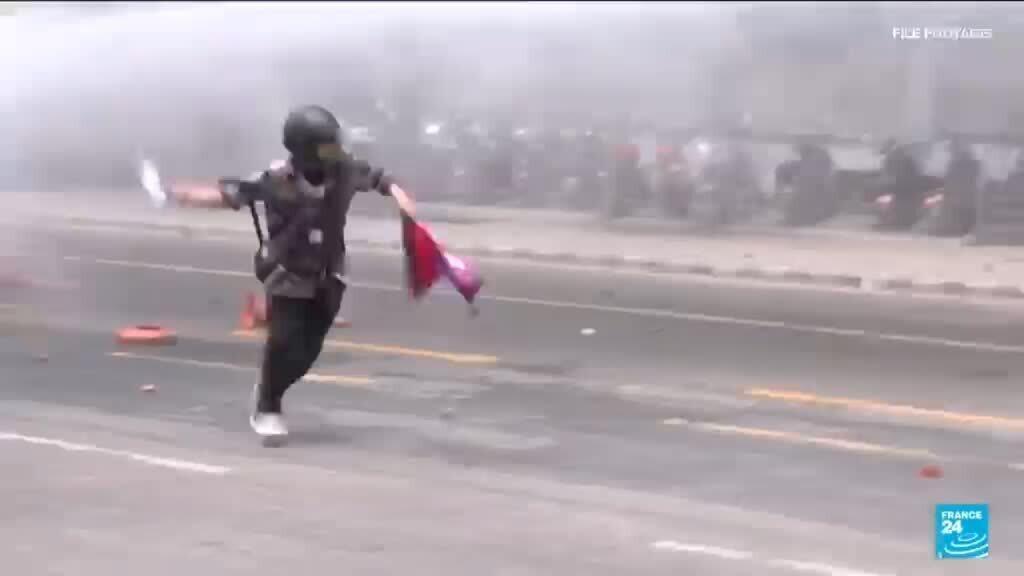
A year ago, on 8 September 2025, a chaotic wave of protests erupted across Nepal’s capital, Kathmandu, led primarily by youth of the Gen Z generation. The movement, driven by accusations of rampant corruption, escalated into violent demonstrations that ultimately compelled Prime Minister Pushpa Kamal Dahal to resign. The revolt injected a fresh surge of public pressure into the country’s political discourse, forcing leaders to confront systemic issues that had long plagued the nation.[1]
Trigger and Immediate Impact
The outbreak of violence was sparked when government officials announced plans to suspend several prominent social media platforms that did not comply with a new national policy on digital conduct. Thousands of young protesters mobilized to demand enforcement of transparency and a reversal of the digital crackdown. The protests turned violent, with clashes between police and demonstrators, widespread vandalism, and blockades of key city arteries, ultimately forcing the central government into a crisis that culminated in the prime minister’s resignation. The incident underscored the political volatility triggered by digital regulation attempts and the deepening influence of Gen Z in shaping Nepal’s governance narratives.[1]
Partial Aftermath and Current Challenges
In the year since the riots, Nepal’s political landscape has undergone moderate realignment. While the immediate leadership vacuum has been filled, the country still grapples with substantial socio‑economic headwinds, including restoration after the devastating floods that plagued the nation in 2025. The government continues to negotiate with the media and civil society on the balance between free expression and regulatory oversight, while aiming to curb further corruption. However, many civic activists remain skeptical about the durability of reforms, demanding ongoing accountability from elected officials.[1]
Looking Ahead
Looking forward, Nepal’s political arena must navigate its role as a transitional democracy facing complex challenges. The Gen Z teenagers who ignited the 2025 revolt have matured into new activists seeking structured reforms rather than spontaneous upheaval. The nation’s political leaders must turn the momentum of the protests into sustainable policy changes. Pending elections and further fiscal stimulus, the country’s trajectory will depend on how effectively the new government can address corruption, digital freedom, and the long‑term impacts of the floods that still haunt the region.[1]
Version and update history
- Version 1 · — Initial source-grounded generation
No published comments yet. Be the first to add useful context.