Evidence ledger
What is confirmed
- France has decided to share defence documents with the Italian judiciary[1]
What remains disputed or unverified
No disputed central claims are recorded for this story.
Background of the Ustica Incident
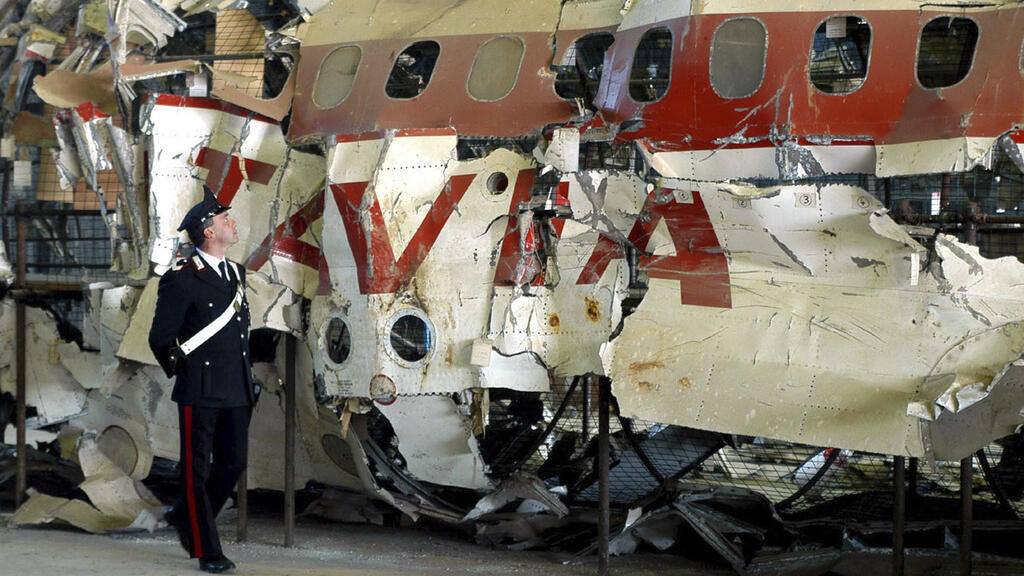
In 1980, an Aerolinee Italia flight 610 crashed near the Italian island of Ustica, killing all 81 passengers and crew on board. Over decades, theories have ranged from a prematurely exploded missile to a mistaken air‑strike by a French fighter jet, statements from former Italian President Giorgio Napolitano and investigations by the Italian Supreme Court of Cassation.[1]
Scope of Shared Documents
French authorities have agreed to provide the Italian judicial body with defence-related records, including intercept logs and missile launch data, that were previously inaccessible due to national security classifications. The documents were pledged during a joint statement by French and Italian officials.[1]
Reactions and Skepticism
While some Italian officials express hope that the files might resolve lingering questions, skeptics warn that the information is unlikely to pinpoint the alleged French aerial engagement or to name a perpetrator. Analysts suggest the documents could confirm technical details but may not disclose intent or responsibility.[1]
Potential Implications for Ustica Inquiry
If the documents corroborate a missile launch near Ustica, they could reinforce accusations that a stray missile struck the aircraft, potentially implicating French military hardware. Conversely, the lack of evidence might reinforce hypotheses of miscommunication or sabotage, keeping the case open-ended.[1]
Next Steps in the Investigation
The Italian judiciary plans to review the new records in the coming months, integrating them with prior forensic studies. A formal report may be issued by the end of the year, potentially steering the long‑delayed legal proceedings toward closure.[1]
Version and update history
- Version 1 · — Initial source-grounded generation
No published comments yet. Be the first to add useful context.