Evidence ledger
What is confirmed
What remains disputed or unverified
No disputed central claims are recorded for this story.
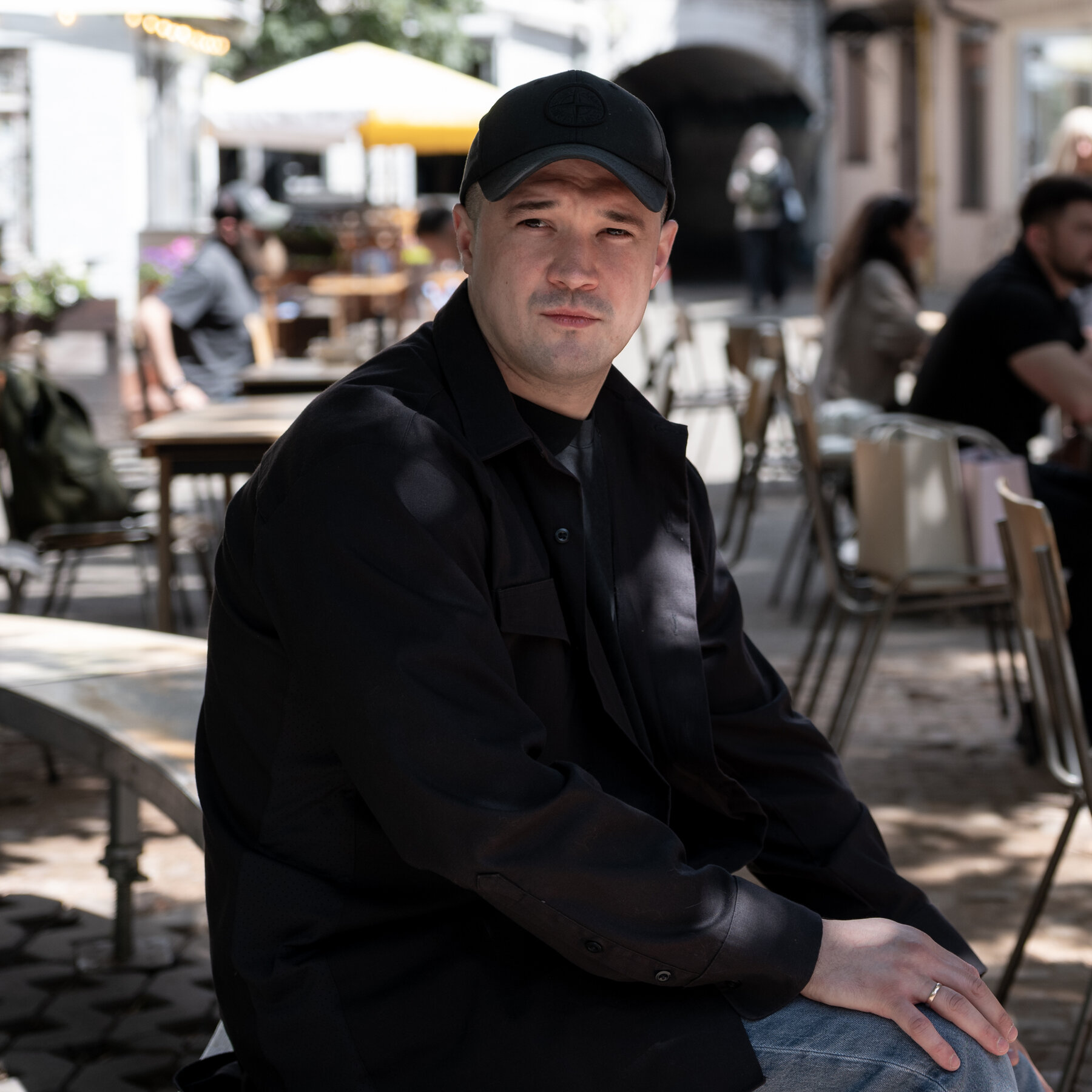
On a Thursday morning, Mykhailo Fedorov, the former defense minister who had been dismissed by President Zelensky in July, issued a public statement insisting that Ukraine could not allow Russian influence to decide the timing of its next election. The call emerged amid growing pressure from both domestic critics and international observers, placing the country at a crossroads between continuing the existing leadership and contesting a fresh mandate. The announcement, while preliminary, has sparked immediate discussion about the stability and future direction of Ukrainian politics.[1]
Fedorov Urges New Polls
Fedorov argued that a democratic election would legitimize Ukraine’s leadership and safeguard national sovereignty against Russian intimidation. He highlighted his own popularity among younger voters and suggested that the populace had a right to determine their government without external interference. The statement was delivered through a brief speech in Kyiv and later shared via social media, reaching thousands of Ukrainian audiences and sparking instant debate among political analysts.[1]
Zelensky’s Position and Possible Consequences
White House officials and Ukrainian officials have so far refrained from issuing a formal response to Fedorov’s call. Early speculations suggest that such a move could destabilize the governing coalition, potentially weakening Ukraine’s stance against Russian aggression. Some commentators warn that a hurried election could risk fragmentation among pro‑democracy factions, whilst others view it as a necessary step toward restoring public trust in state institutions.[1]
International Reactions
Western allies have expressed cautious support for the principle of a free and fair election but have also signaled concern over the potential for conflict escalation. Diplomatic channels are reportedly exploring mechanisms to mediate any political shift, with an emphasis on maintaining Ukrainian sovereignty while safeguarding peace in the region. The idea of an election at this juncture remains under discussion, with various foreign governments urging measured and transparent processes.[1]
Version and update history
- Version 1 · — Initial source-grounded generation
No published comments yet. Be the first to add useful context.