Evidence ledger
What is confirmed
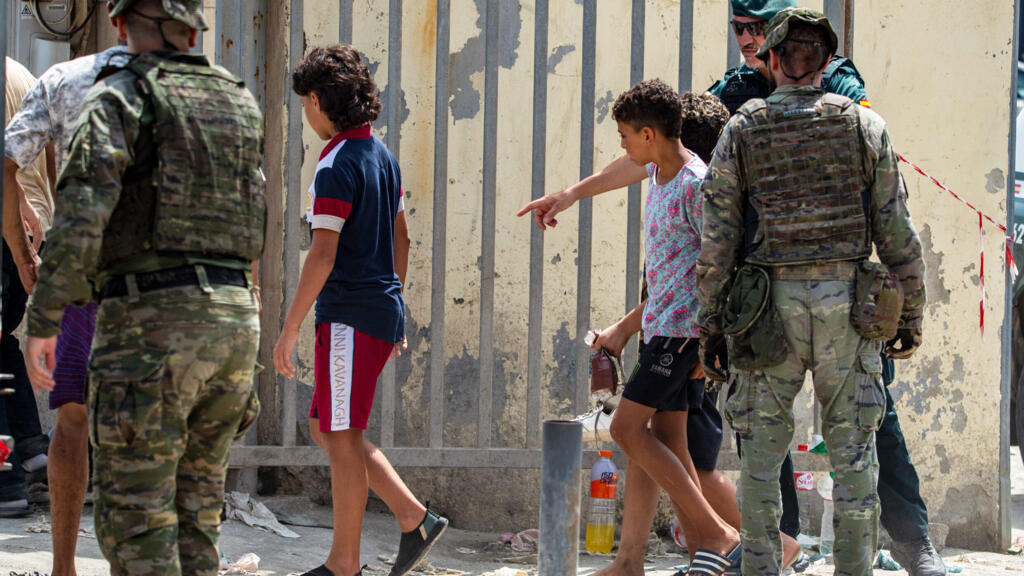
- Ceuta was returning to normal over the weekend after an unprecedented migrant surge that saw up to 60,000 people enter the tiny Spanish exclave from Morocco in just two days.[1]
- At least 72 migrants dead in connection with the surge, according to the report.[1]
- Most arrivals had already returned to Morocco.[1]
- Residents were grappling with the humanitarian, political and social fallout.[1]
What remains disputed or unverified
No disputed central claims are recorded for this story.
Ceuta was returning to normal over the weekend after an unprecedented surge at its border with Morocco, according to a single developing report published Sunday by France24. The outlet reported that up to 60,000 people entered the tiny Spanish exclave from Morocco in just two days, that at least 72 migrants were dead, and that most of those who arrived had already returned to Morocco. The account is still developing and has not been independently confirmed beyond this one dispatch.[1]
The France24 report said that even as the city began to resume routine operations, residents were grappling with the humanitarian, political and social fallout from the surge. That description of the aftermath comes solely from the same report.[1]
Up to 60,000 entries in two days and at least 72 dead, single report says
The report characterized the movement as an unprecedented border surge into Ceuta, which it described as a tiny Spanish exclave, and placed the scale at up to 60,000 entries in a two-day period from Morocco. The figure was presented as an estimate, and no additional corroboration was available in the material supplied.[1]
According to the same outlet, at least 72 migrants died in connection with the surge. The report did not provide details on the circumstances, locations, or timing of the deaths, and the death toll originates solely from that account.[1]
Most arrivals returned as Ceuta navigates aftermath
France24 reported that most arrivals had already returned to Morocco by the weekend, when Ceuta was said to be returning to normal. The report did not specify how those returns were carried out or how many people remained.[1]
With the crossing largely reversed, the outlet said the city was navigating the aftermath, with residents contending with the immediate humanitarian, political and social consequences. No further confirmed details on services, official actions, or conditions for those who crossed were included in the single report available.[1]
Version and update history
- Version 1 · — Initial source-grounded generation
No published comments yet. Be the first to add useful context.