Evidence ledger
What is confirmed
What remains disputed or unverified
No disputed central claims are recorded for this story.
Election Battle Unfolds
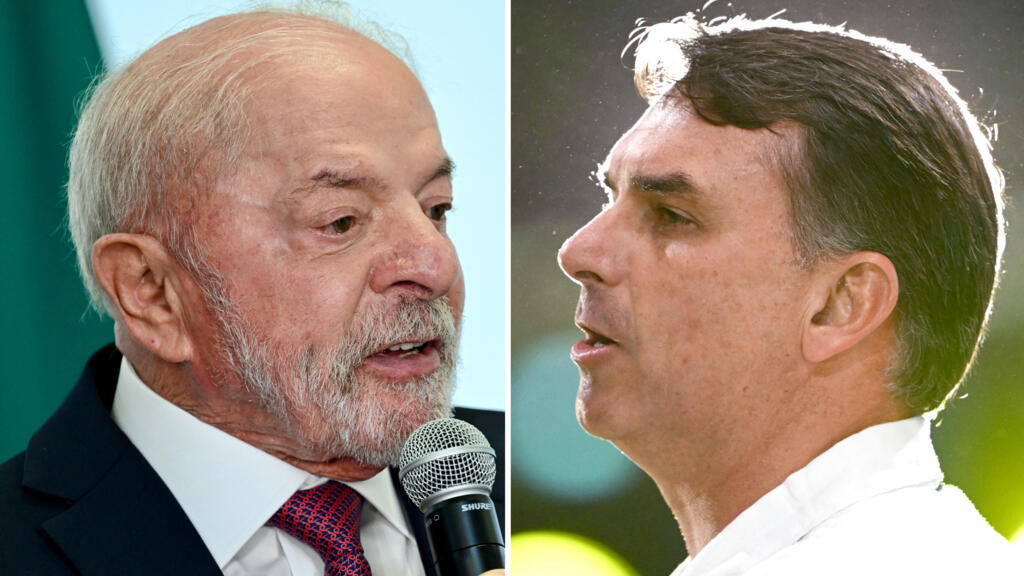
On Sunday, roughly 160 million Brazilians crossed into polling stations to decide the next chapter of the country’s politics, casting ballots in a presidential race described as one of the closest in recent memory. The contest pits sitting President Luiz Inácio Lula da Silva against right‑wing Senator Flávio Bolsonaro, son of former president Jair Bolsonaro.[1]
Regional Reality Check
The timing of Brazil’s vote coincides with a broader rightward shift observed across Latin America—a swing championed by former U.S. President Donald Trump’s policies and rhetoric. Analysts note how the outcome could confirm whether Brazil aligns with this continental trend or continues its oscillation between left‑leaning and conservative leadership.[1]
Broader Electoral Stakes
Alongside the presidential choice, voters also selected representatives for the federal and state legislatures, as well as governors, adding layers of significance to the turnout. The decisions made this day will influence a spectrum of governance levels—including policy making, budget allocations, and regional development initiatives.[1]
Version and update history
- Version 1 · — Initial source-grounded generation
No published comments yet. Be the first to add useful context.