Evidence ledger
What is confirmed
- Artificial intelligence is taking centre stage in Brazil’s upcoming presidential election, with deepfake avatars and AI‑generated messages being used to support Jair Bolsonaro’s son and to criticize President Luiz Inácio Lula da Silva.[1]
- There are two days before the first round of Brazil’s presidential election.[1]
- Artificial intelligence is taking centre stage in Brazil’s presidential election.[1]
- A deepfake avatar of former president Jair Bolsonaro has been used to support his son’s candidacy.[1]
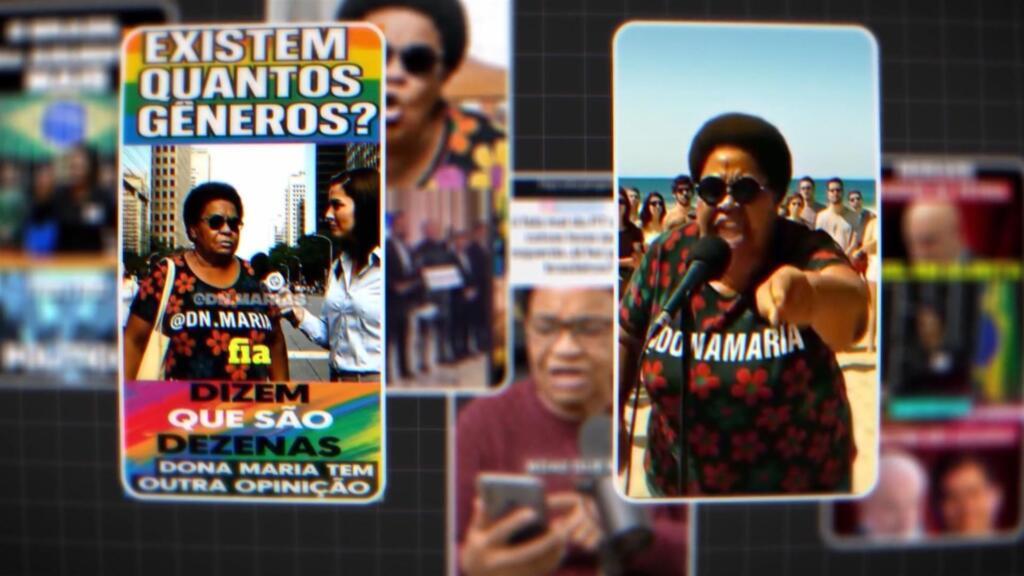
- An AI‑generated working‑class female voter has criticised President Luiz Inácio Lula da Silva.[1]
- The Brazilian intelligence agency says disinformation will be one of the main challenges of this election.[1]
What remains disputed or unverified
No disputed central claims are recorded for this story.
Two days remain until Brazil’s first‑round presidential election, and artificial intelligence—particularly deepfake avatars and AI‑generated commentary—has gone to the forefront of the campaign. A synthetic likeness of former President Jair Bolsonaro has been circulated to boost the candidacy of his son, while another AI‑produced persona, depicted as a working‑class woman, has criticized President Luiz‑Inácio Lula da Silva.[1]
Deepfake Buzz in Electoral Advertising
The Bolsonaro family’s campaign has employed an AI‑created avatar that mimics the former president’s face and mannerisms to endorse the younger candidate. Simultaneously, a separate AI‑generated character portraying a typical Brazilian voter has produced statements attacking Lula’s policies. These synthetic messages are part of a larger trend in which political actors are turning to algorithmic media to shape voter perceptions.[1]
Intelligence Agency Flags Multiplying Disinformation
Brazil’s intelligence agency has identified the surge of AI‑driven propaganda as a major challenge for the election. The agency warns that both deepfake content and algorithmically generated commentary could eclipse traditional advertising, making it harder for voters to discern credible information. As the election approaches, officials are urging the public to verify sources more rigorously.[1]
Broader Implications for Voter Trust
If unchecked, the proliferation of deepfake and AI‑generated material could erode trust in the electoral process, especially in a country where digital misinformation has historically swayed public opinion. The coming vote, already set to be closely watched on the international stage, may therefore provide a critical test of how societies manage the rise of algorithmic manipulation in democratic contexts.[1]
Version and update history
- Version 1 · — Initial source-grounded generation
No published comments yet. Be the first to add useful context.