Evidence ledger
What is confirmed
- The 2026 election pits incumbent Luiz Inácio Lula da Silva against Flávio Bolsonaro.[1]
What remains disputed or unverified
No disputed central claims are recorded for this story.
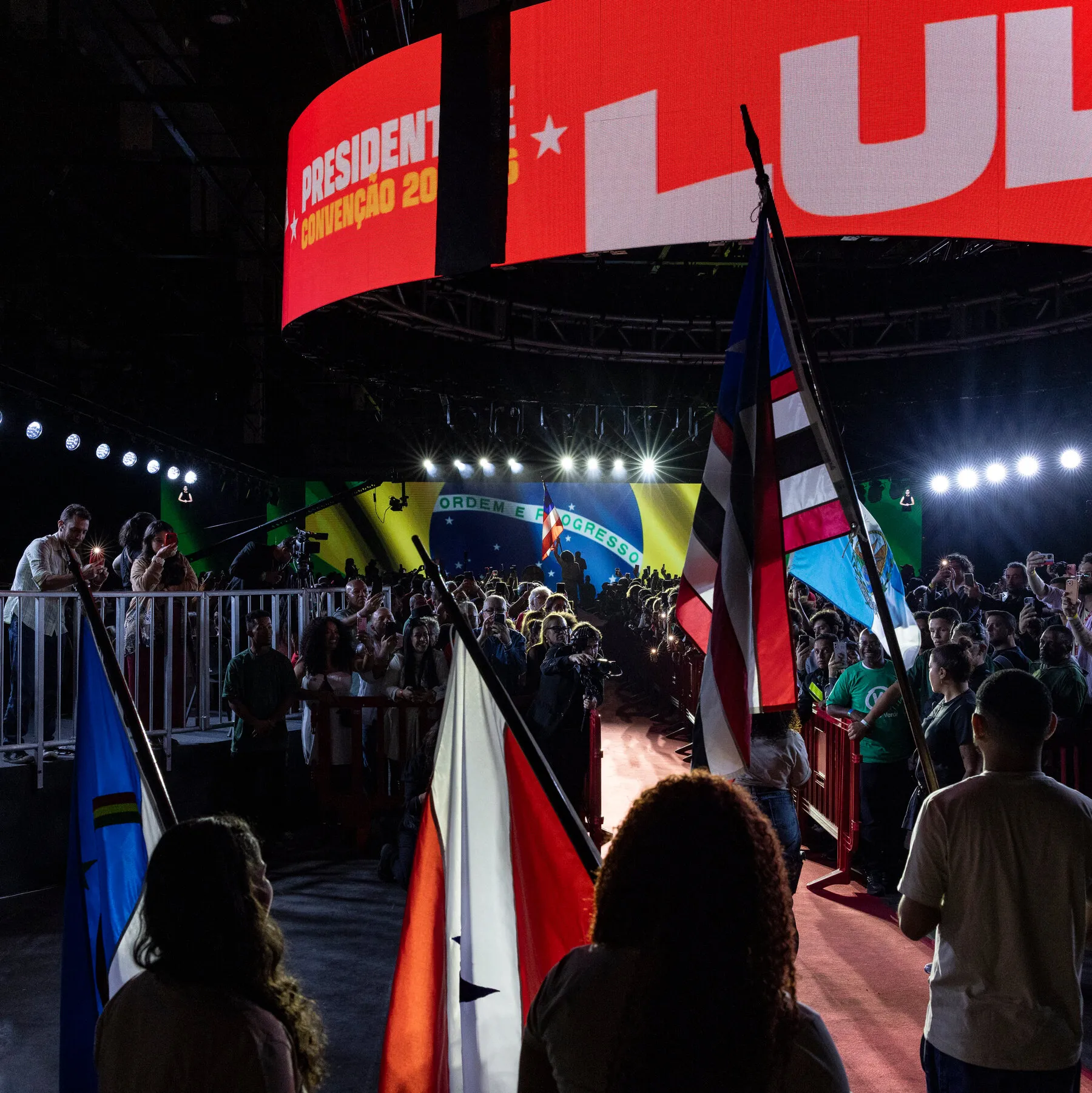
Brazil’s 2026 presidential election has set the stage for a clash between two polarizing figures, former president Luiz Inácio Lula da Silva and the prominent right‑wing politician Flávio Bolsonaro. The campaign is already framed as a potential shift for the entire Latin American region, with voters and observers alike weighing the economic, social, and diplomatic implications of each candidate’s platform.[1]
Campaign Landscape
Lula’s campaign emphasizes a return to the social welfare policies and economic stimulus measures that defined his earlier terms. Bolsonaro, on the other hand, champions stricter law‑and‑order policies, a more conservative approach to environmental regulation, and alignment with U.S. trade priorities.[1]
The contrast between the two candidates has intensified public debates, especially regarding Brazil’s handling of the global pandemic and the nation’s role in addressing climate change. Early polling data suggest a near‑even split among voters, reflecting the country’s deep ideological divisions.[1]
Historical Stakes
Lula’s leadership has been marked by significant receipting of land and infrastructural investments, which critics argue created uneven growth. Bolsonaro’s support network enjoys strong ties to Brazil’s business elite and conservative media, venues that have shaped the nation’s political narrative for the last decade.[1]
Regional Implications
Observers across Latin America see Brazil’s 2026 election as a bellwether for the region’s economic alliances, defense policies, and social reforms. A Lula victory could reinforce left‑leaning coalitions on the continent, while a Bolsonaro win might signal a shift toward conservative international partnerships.[1]
Version and update history
- Version 1 · — Initial source-grounded generation
No published comments yet. Be the first to add useful context.